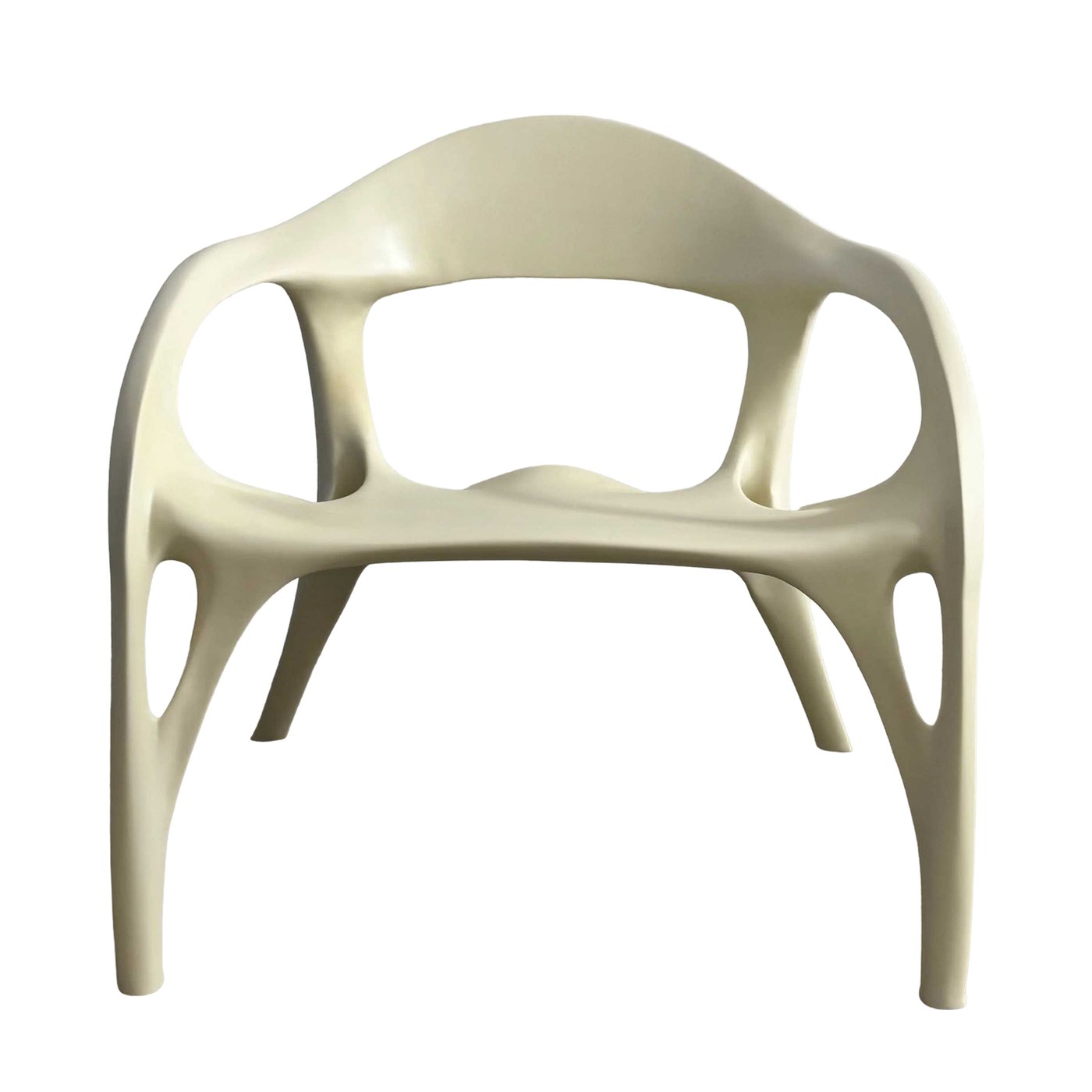
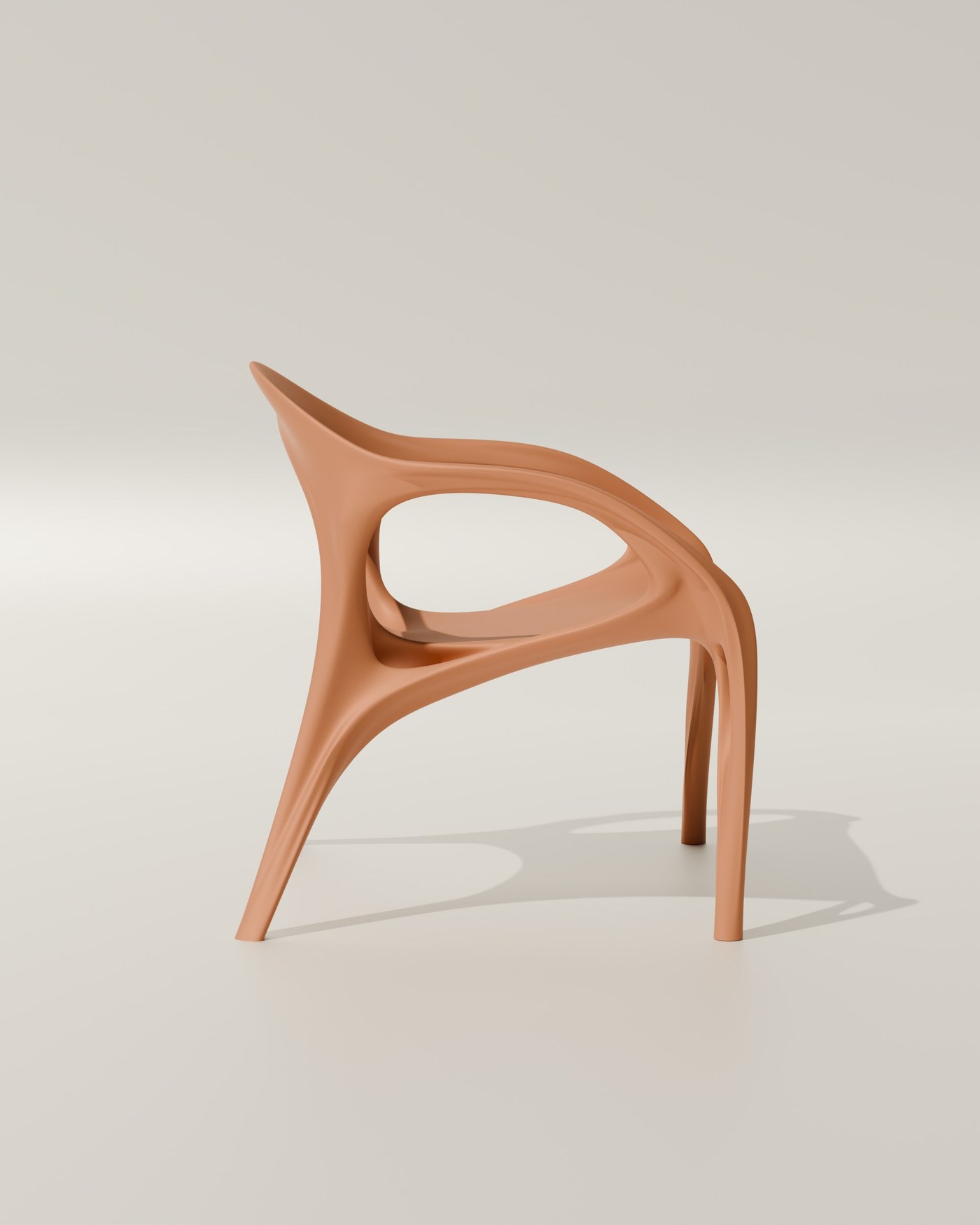
A structure that ultimately became a form.
A chair is usually a form with a hidden structure inside it. “Ilium” is a structure that ultimately became a form.
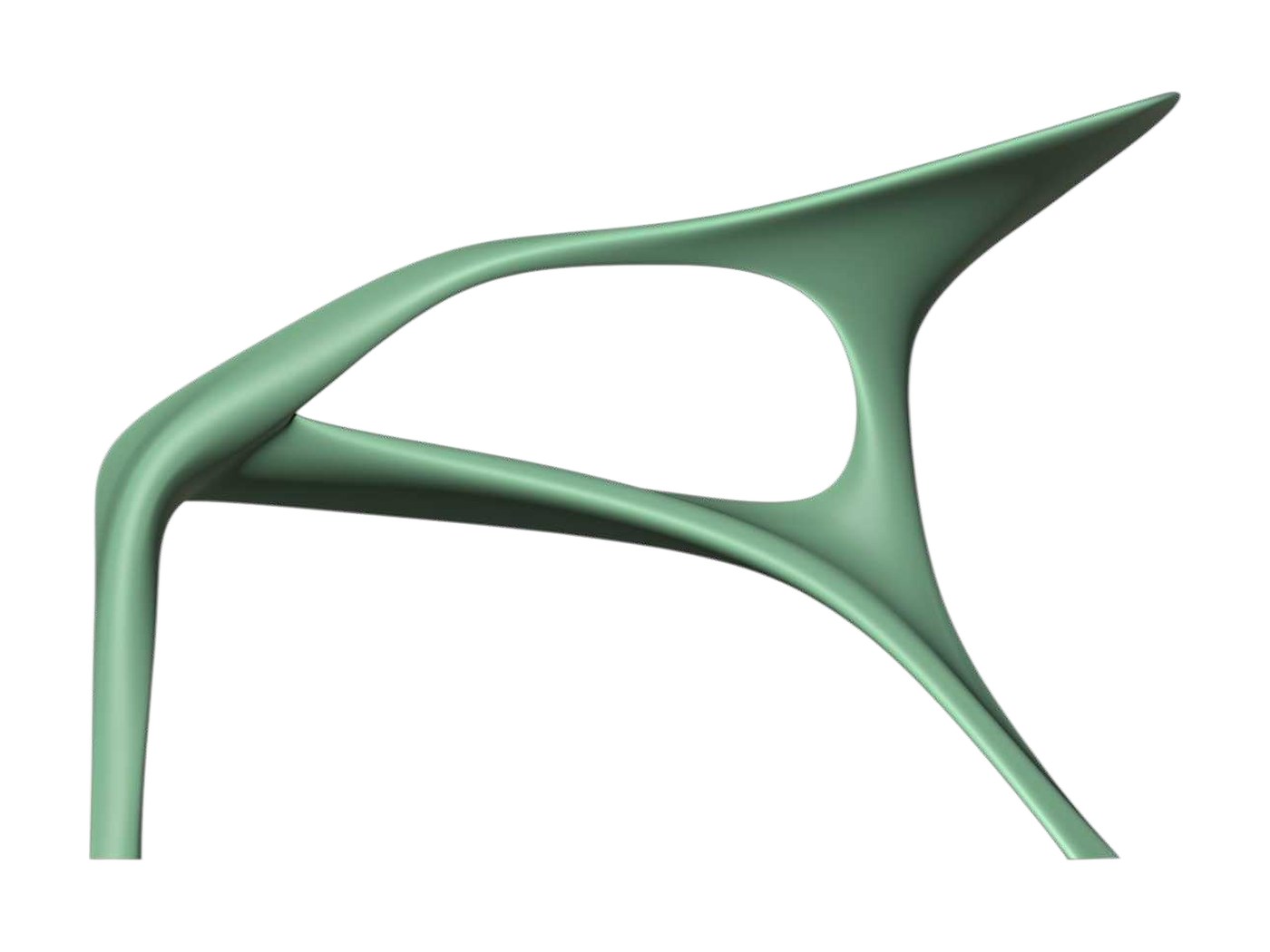
The form is inspired by the ilium: the wing of the pelvis, the part of the skeleton that has been supporting the weight of an upright body for millions of years.
The bone deposits material only where force is transmitted and leaves everything else hollow. This is not merely a reference to a bone; it is the same problem solved in the same way.
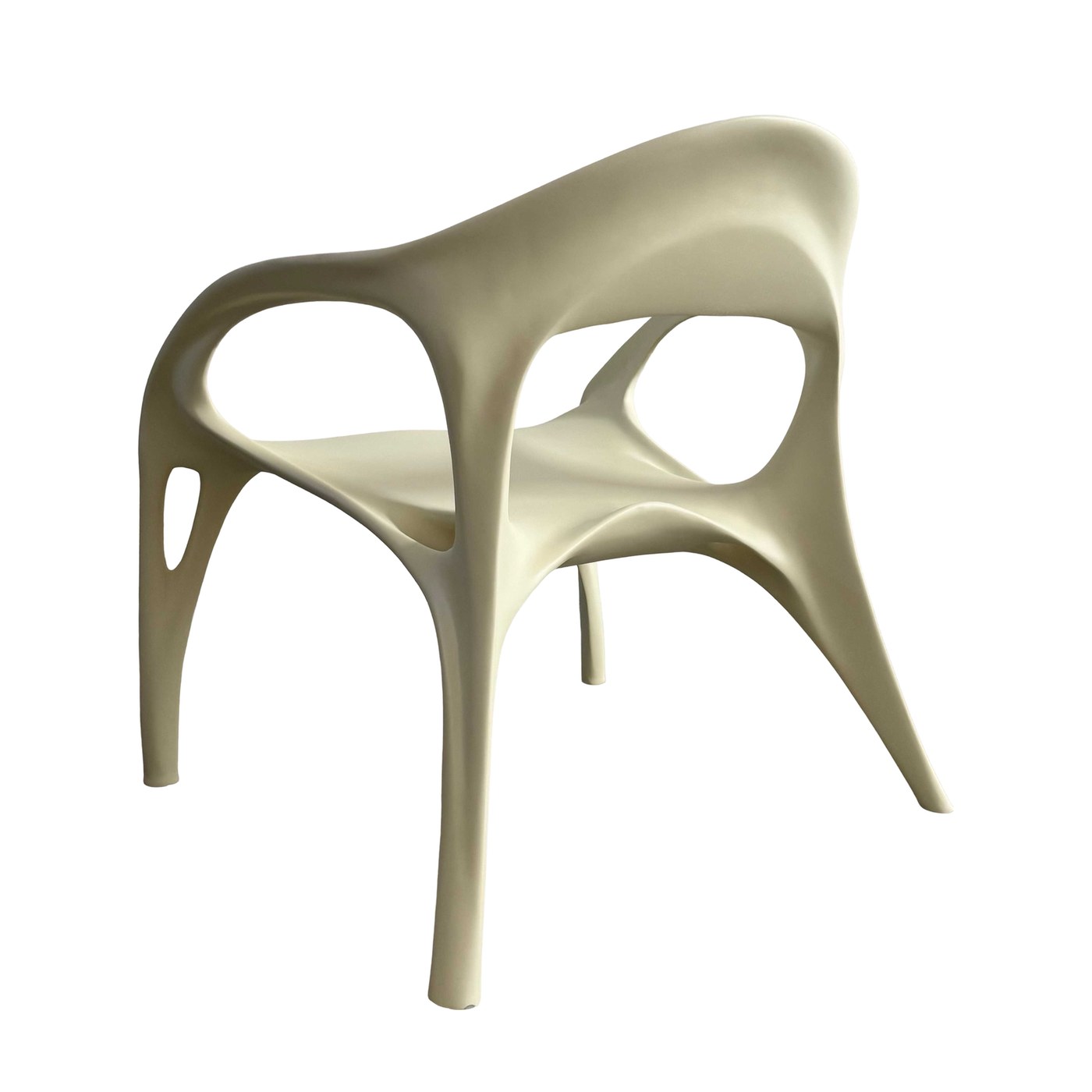
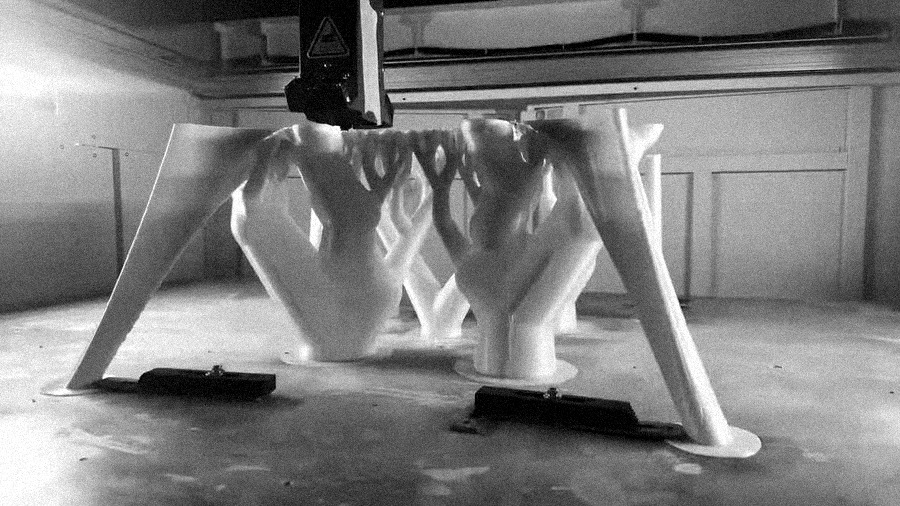
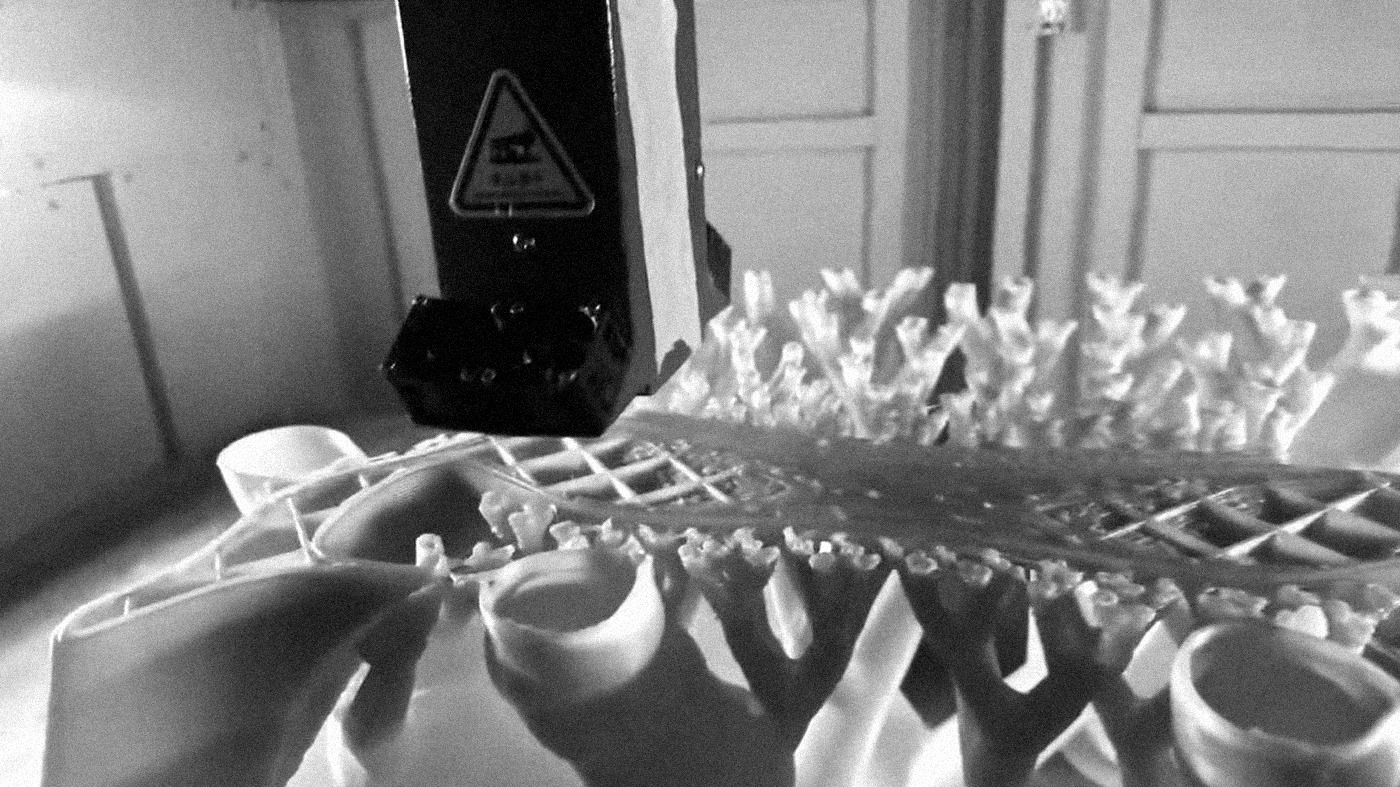
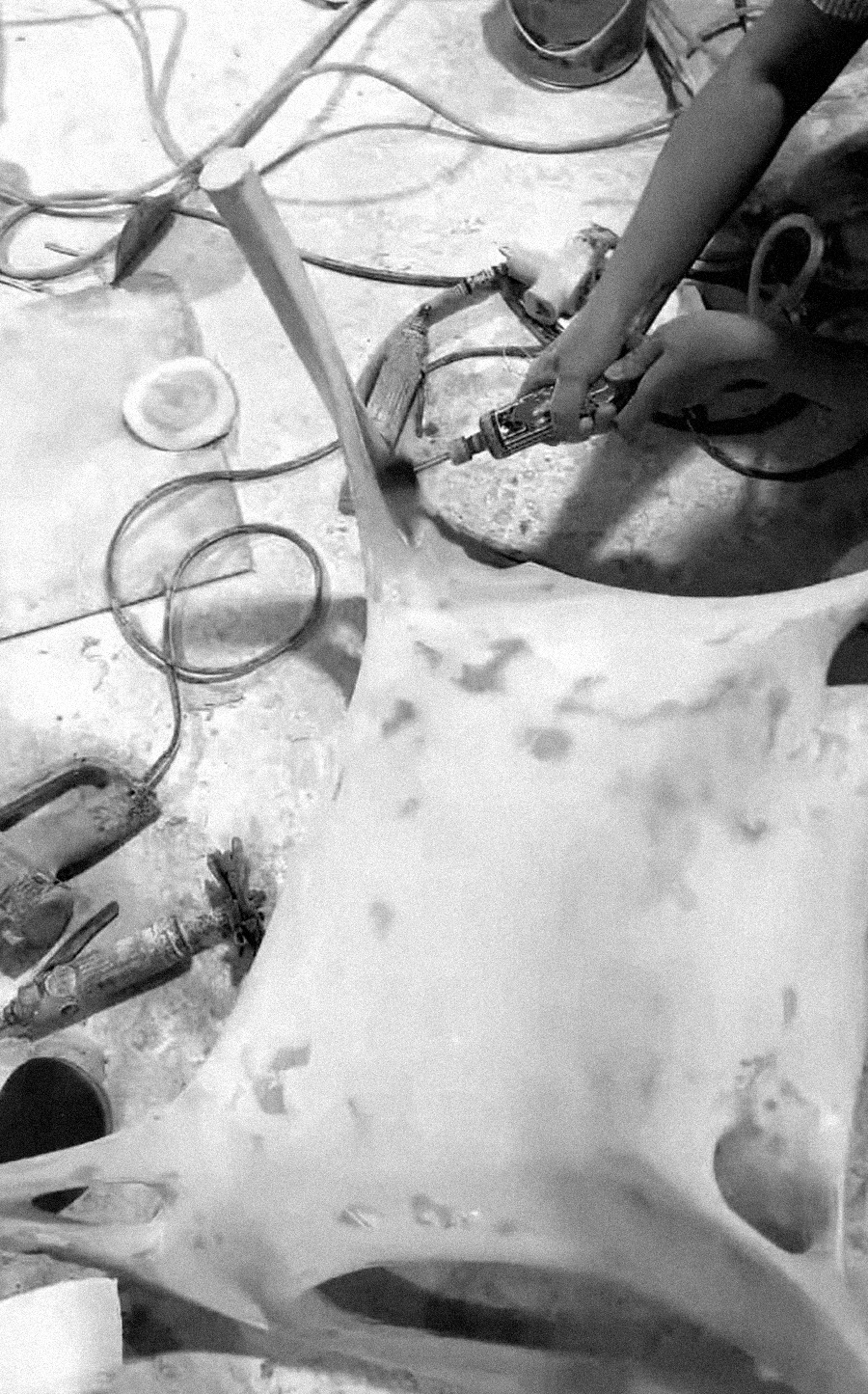
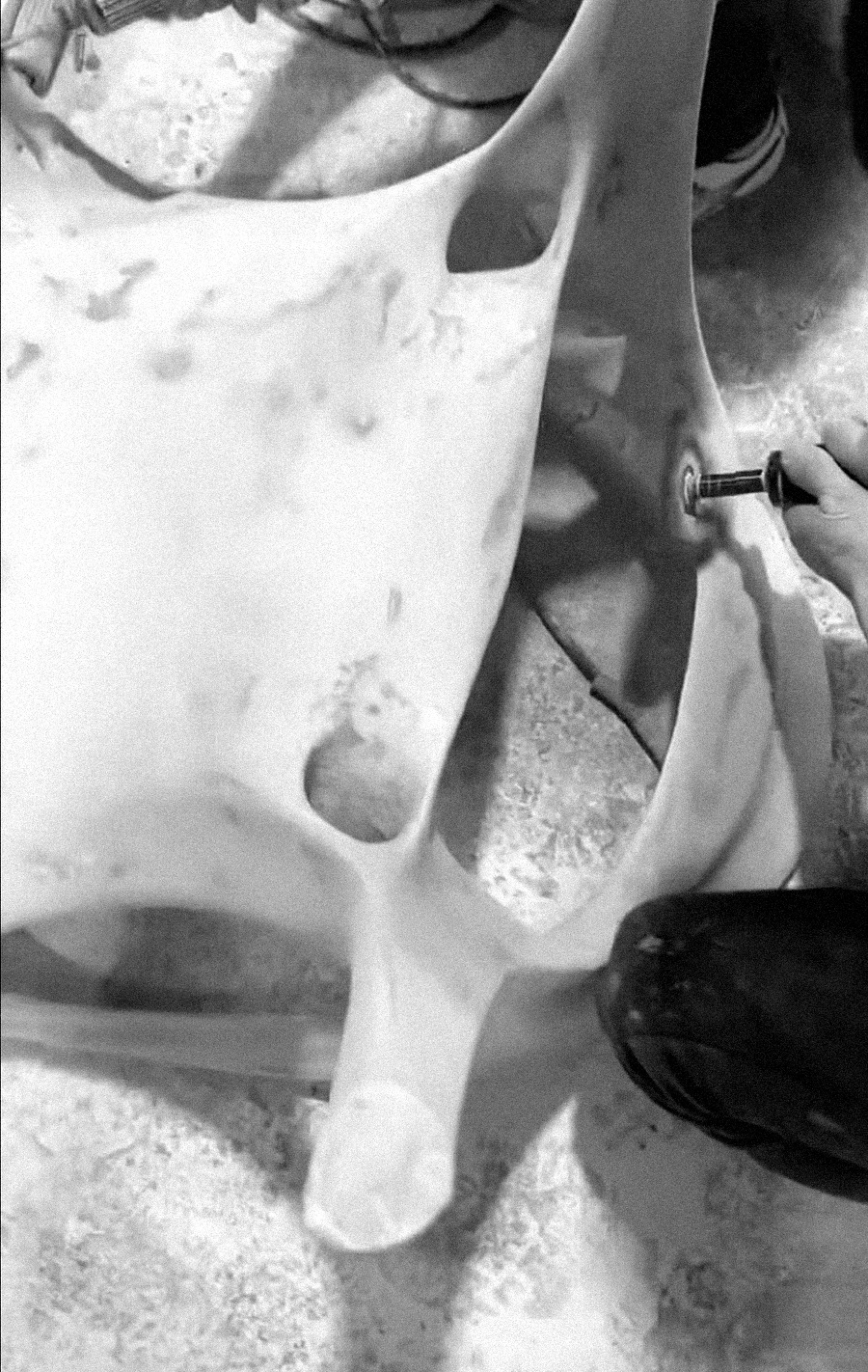
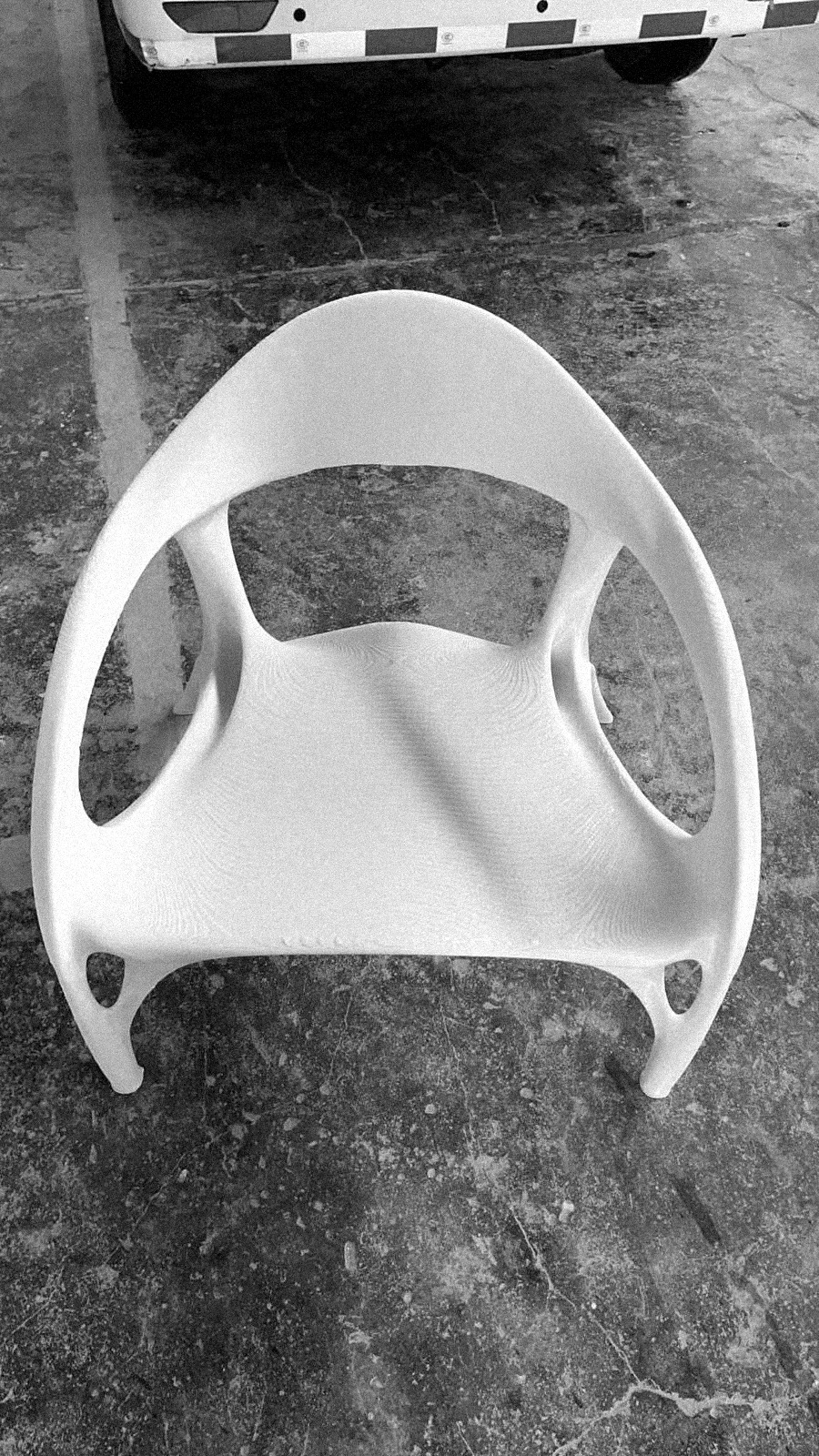
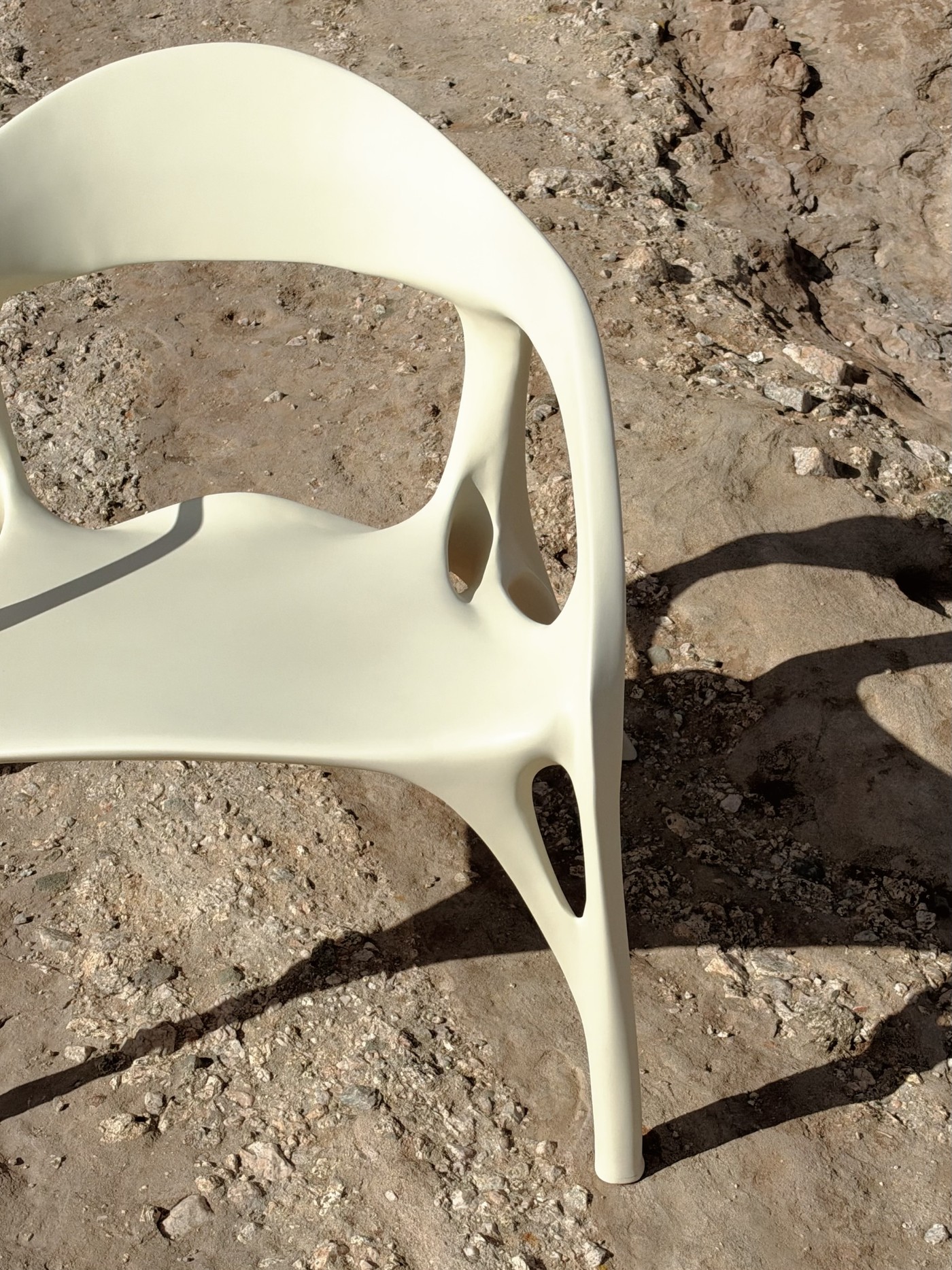
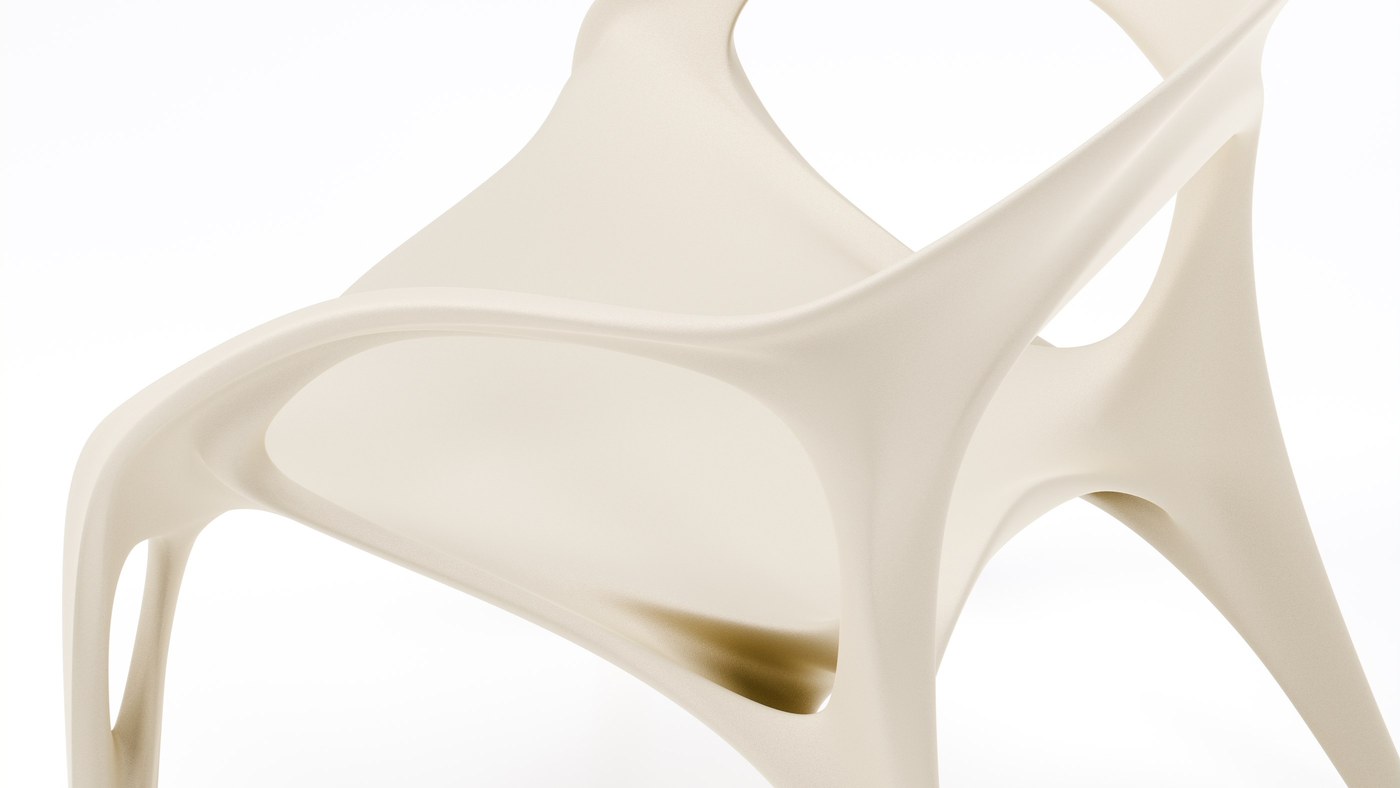
3D-printed in ABS and finished by hand, the piece retains traces of both processes. It is deliberately left unpolished in some places: the bone isn’t smooth either, and sanding it down to the point of eliminating its logic would leave only a silhouette.
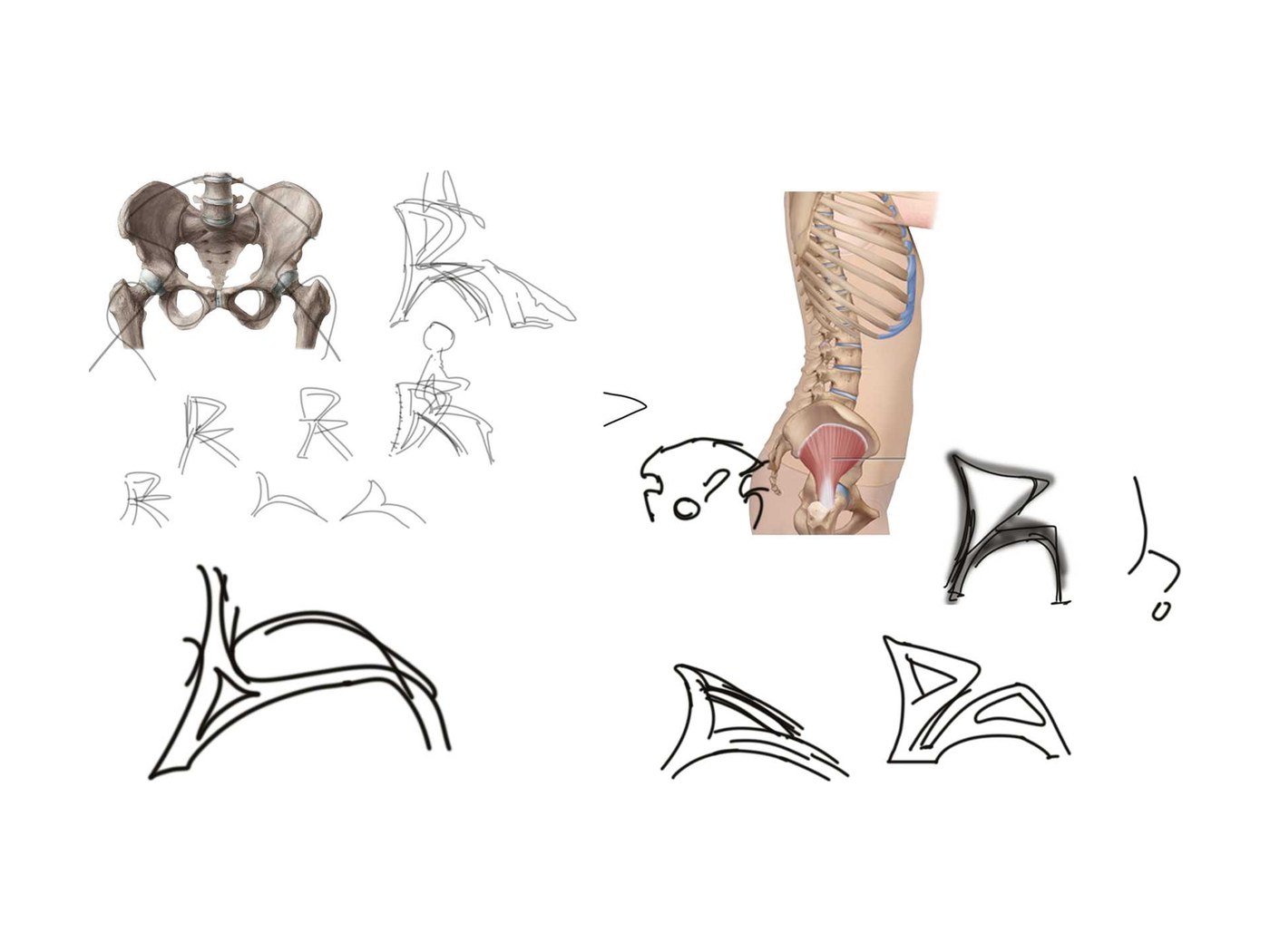
Inspiration
Material only where force is transmitted.
The ilium narrows where it does not bear weight and thickens where the spine transfers the load to the legs.
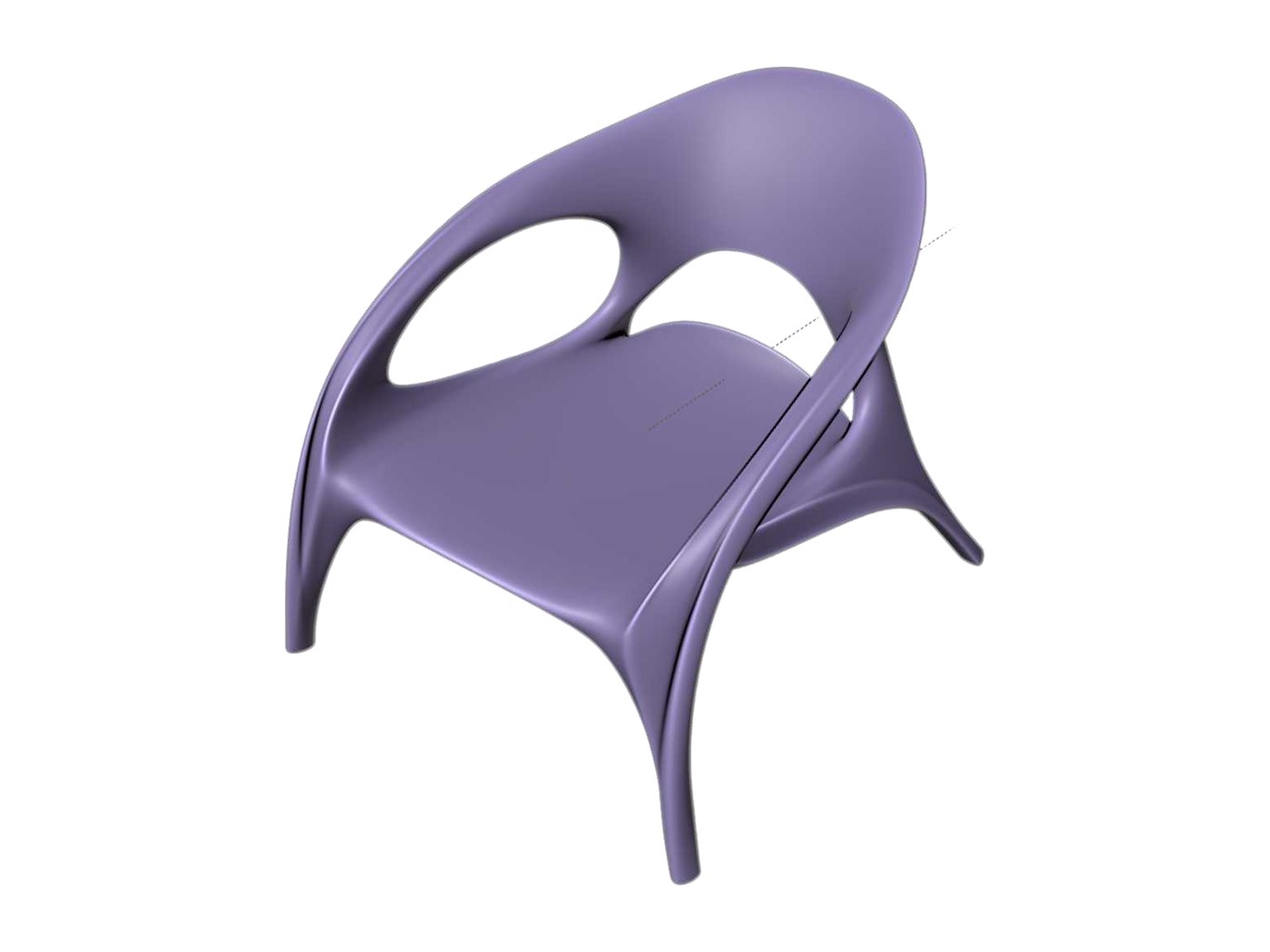
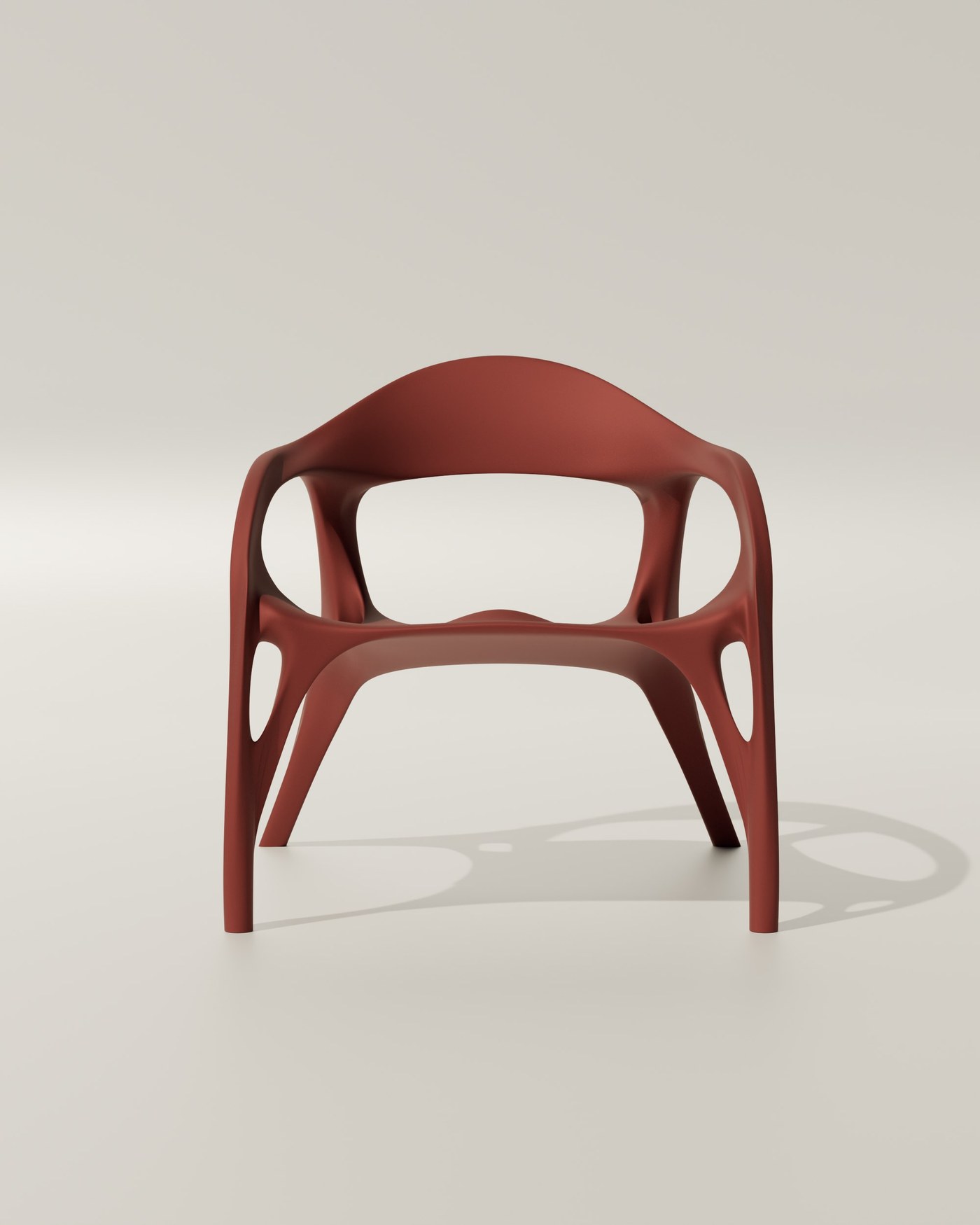
All early versions that treated the back, seat, and legs as separate parts required a support somewhere, which would have contradicted the premise. The solution was to stop drawing parts. A continuous line, with material only where force is transmitted.


The line
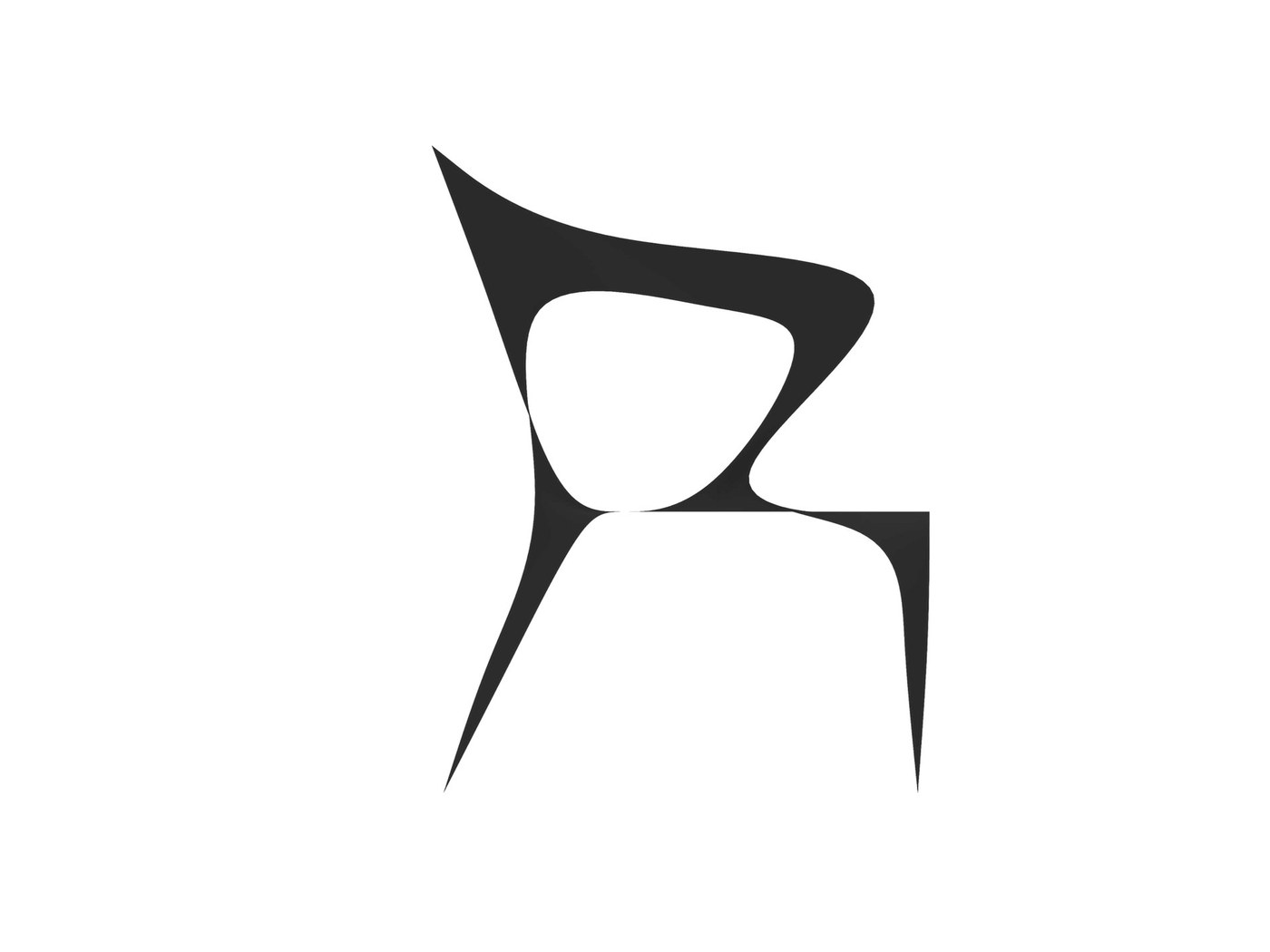
One continuous line.
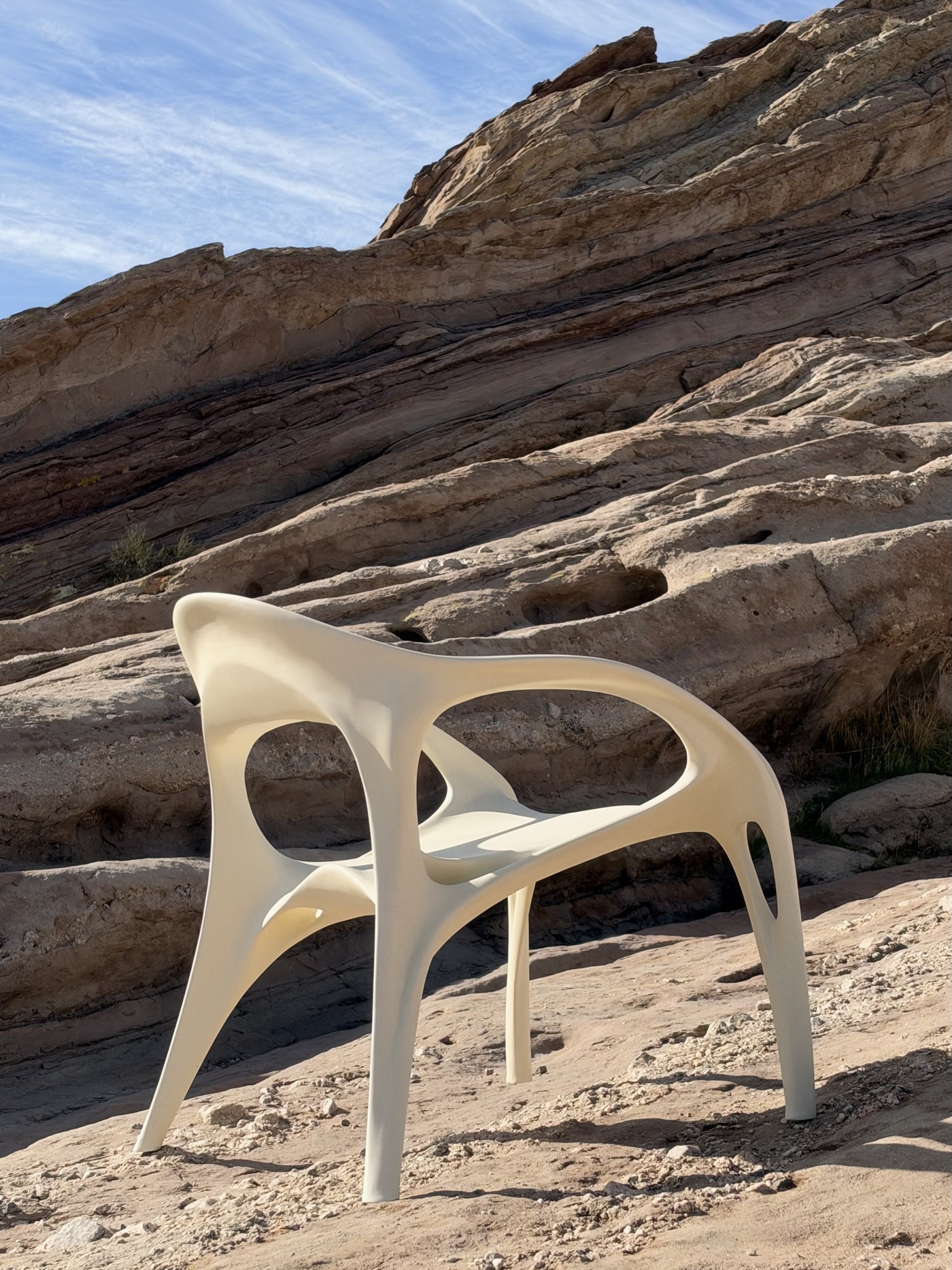
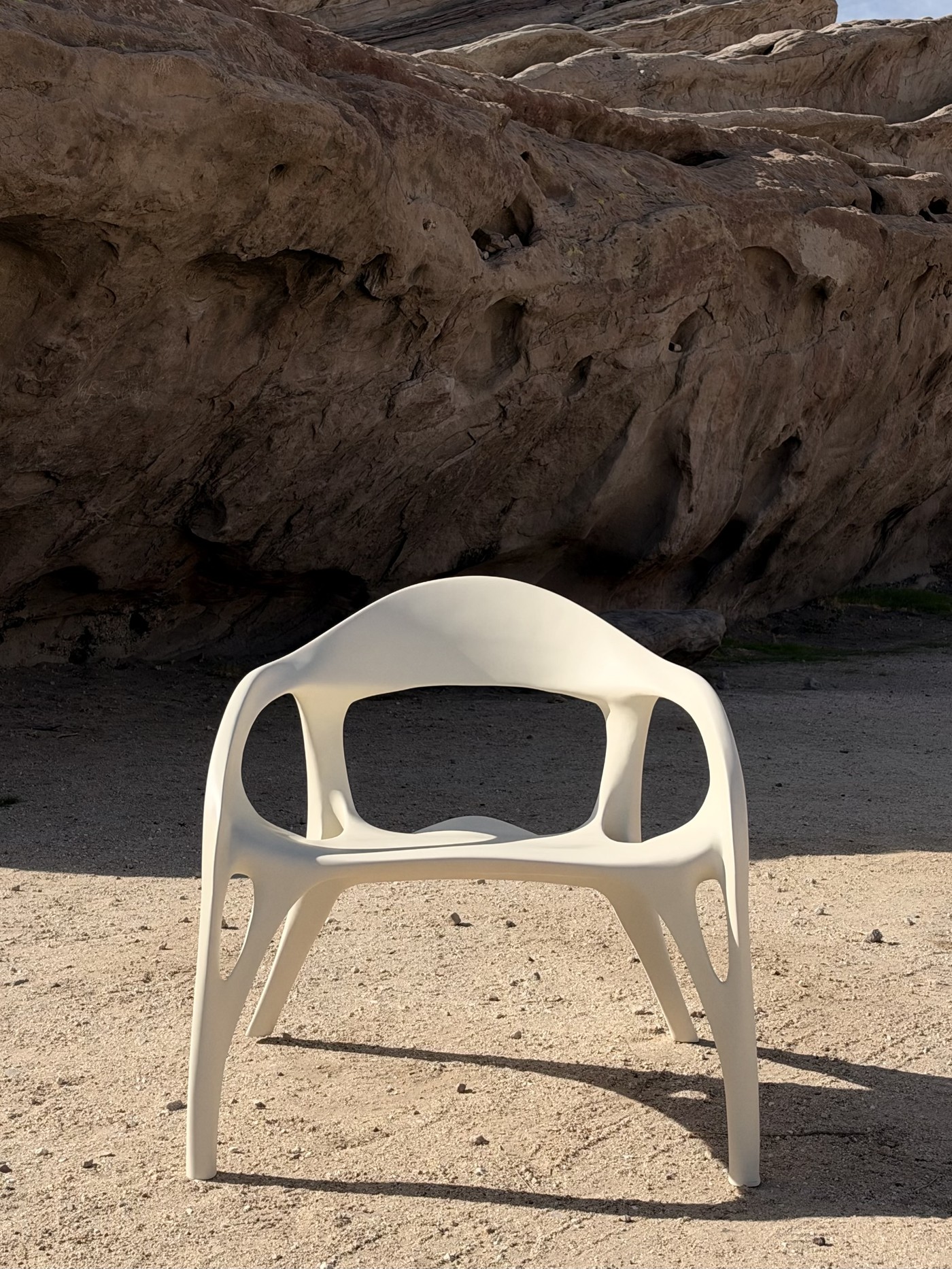
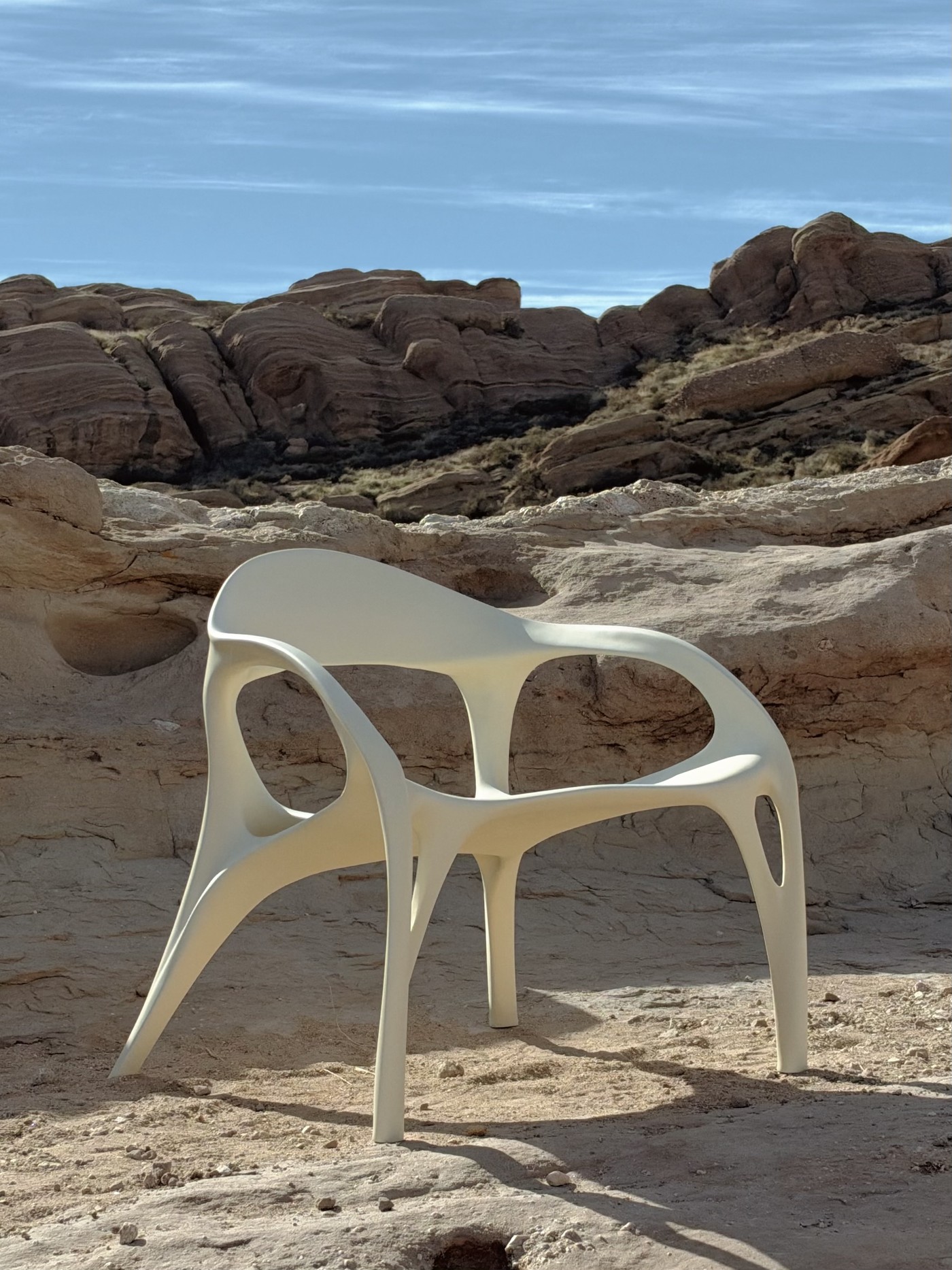
The back becomes the arm becomes the leg without a joint anywhere, because a joint would have needed a bracket, and a bracket would have contradicted the premise. Material follows the paths the force actually travels. Everything between them is open.


Prototype
3D printed in ABS. Finished by hand.
The piece keeps traces of both processes, and it is deliberately left unpolished in places.


In place


Five tones
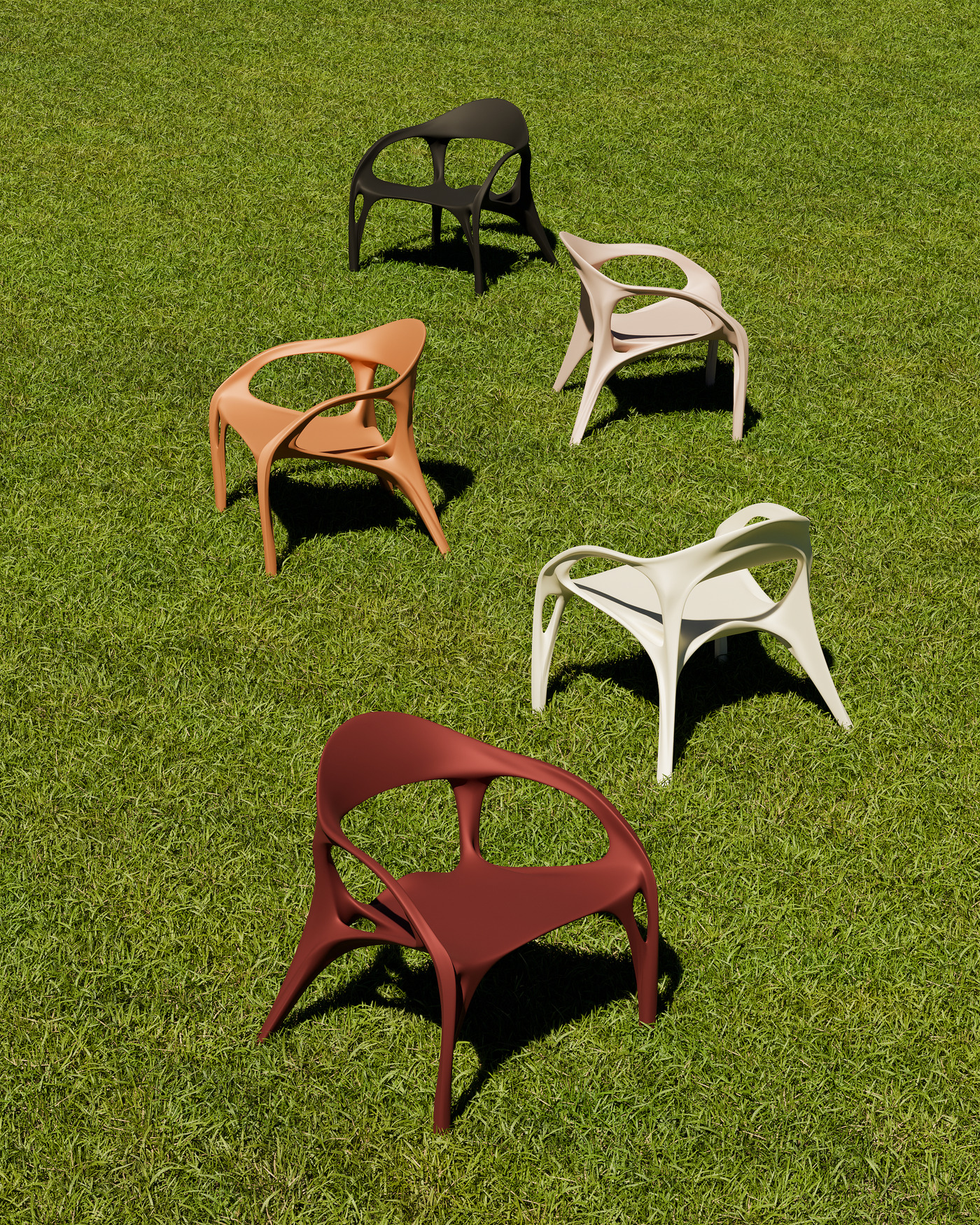
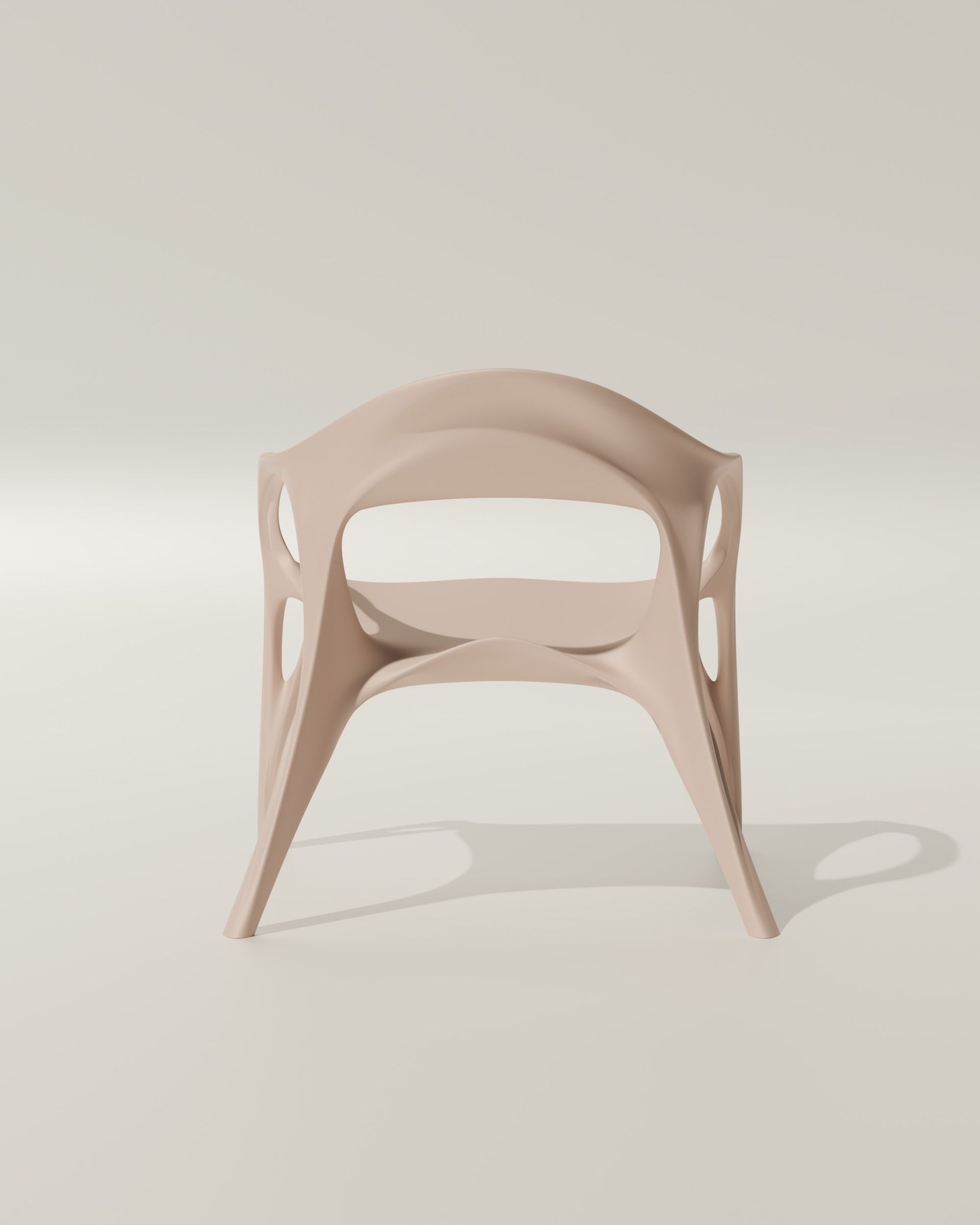
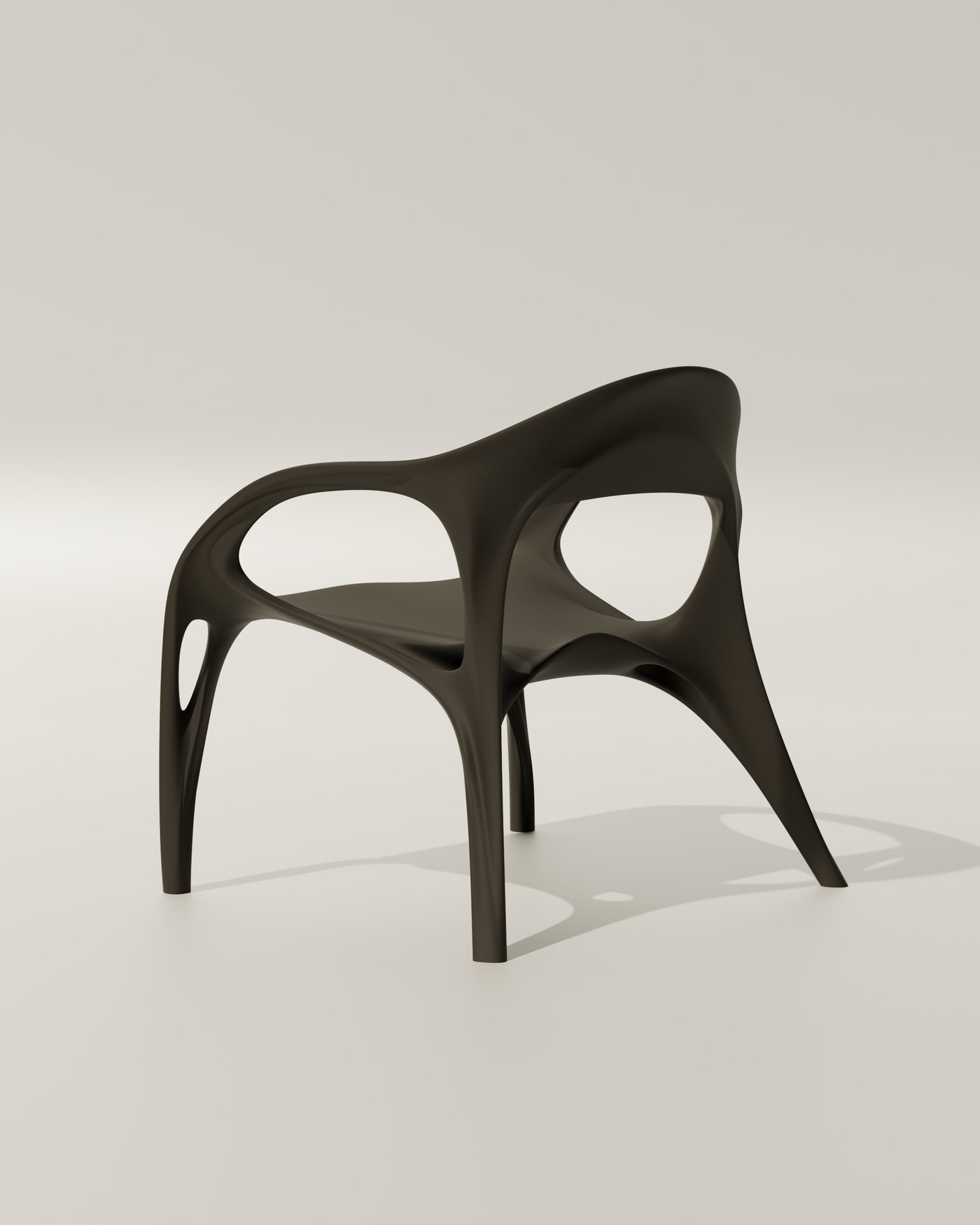
Five tones, warm to dark.
The geometry reads differently in each: pale finishes flatten the openings, darker ones make the structure legible from across a room.


The structure and the silhouette are the same object. Everything between the load paths is open.
Material follows the paths the force actually travels. Everything between them is open.