Stratum
Coffee table
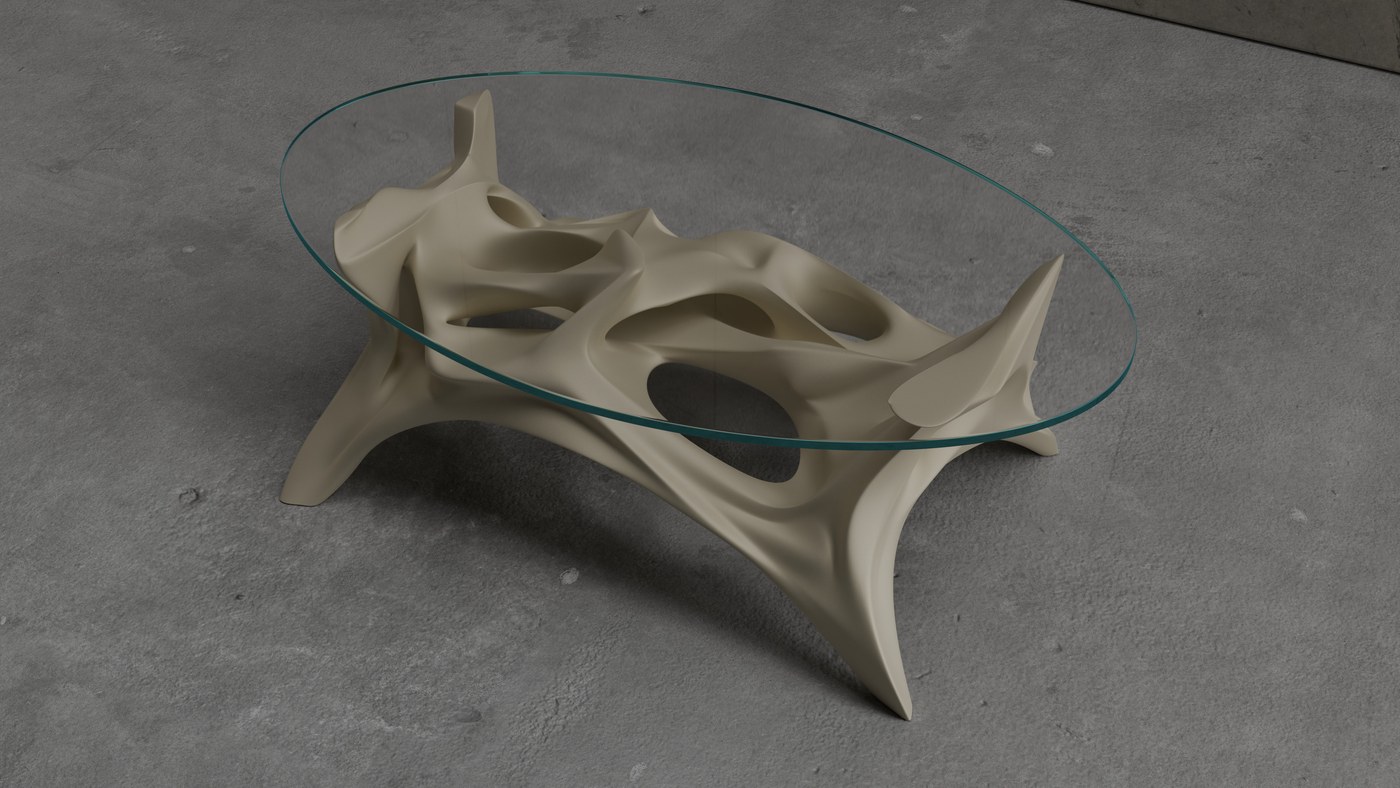
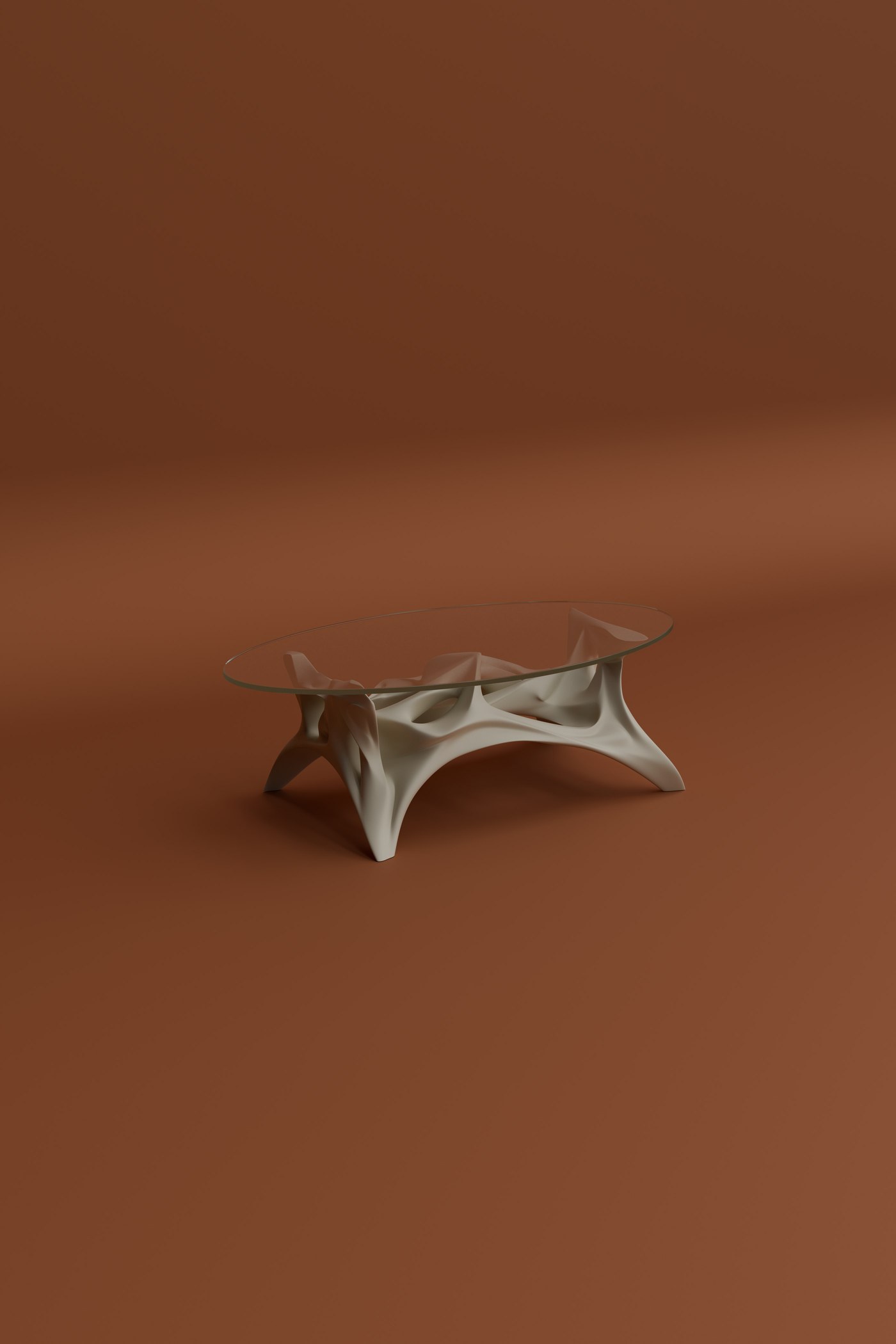
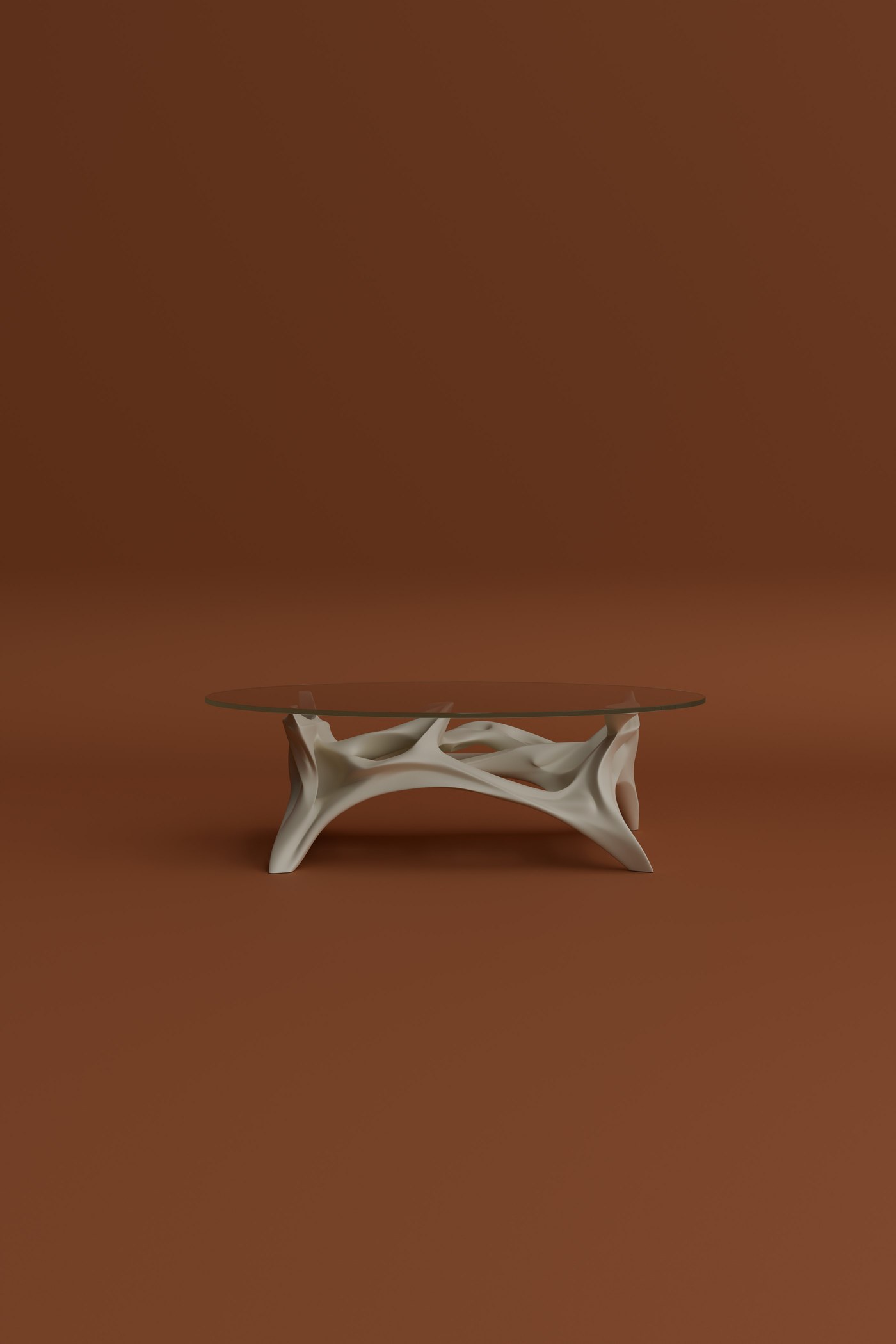
A table is usually a surface with structure hidden underneath it. Stratum is structure that a surface was placed on top of.
Coffee table
A table is usually a surface with structure hidden underneath it. Stratum is structure that a surface was placed on top of.
The canyon
The form is inspired by the slot canyons of southern Utah and northern Arizona. Water does not carve a shape into rock; it removes everything that cannot resist it, and what remains is a record of where the force traveled.
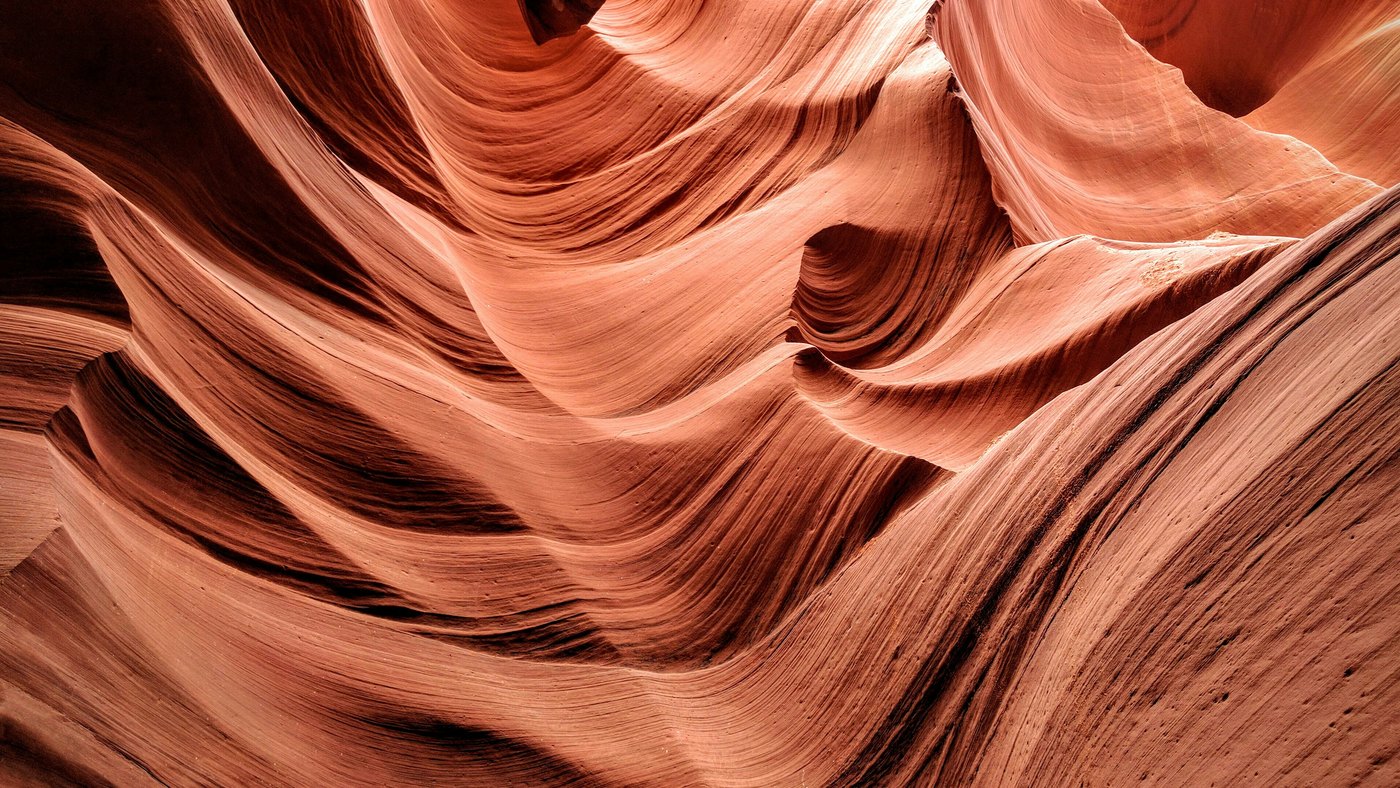
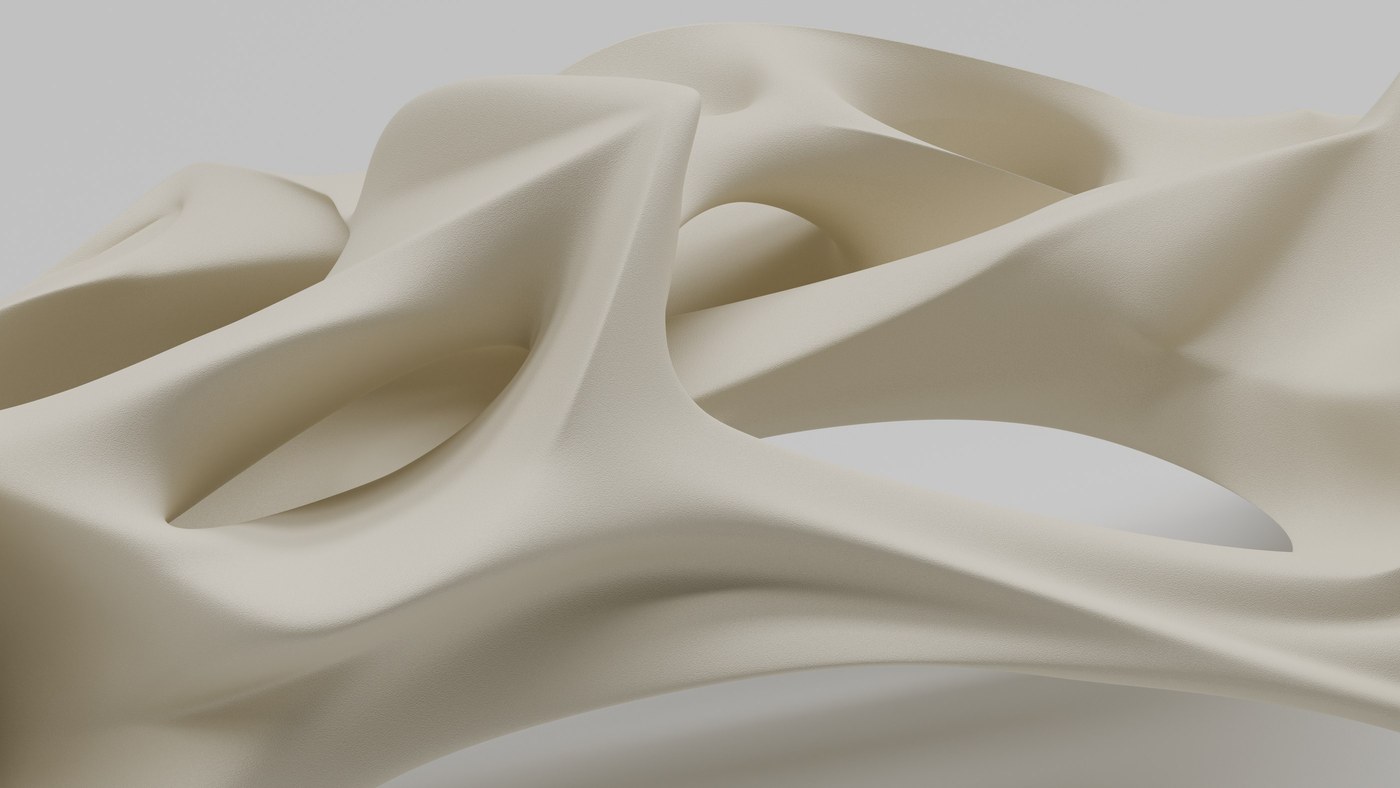
A slot canyon, and the base it produced.
The glass
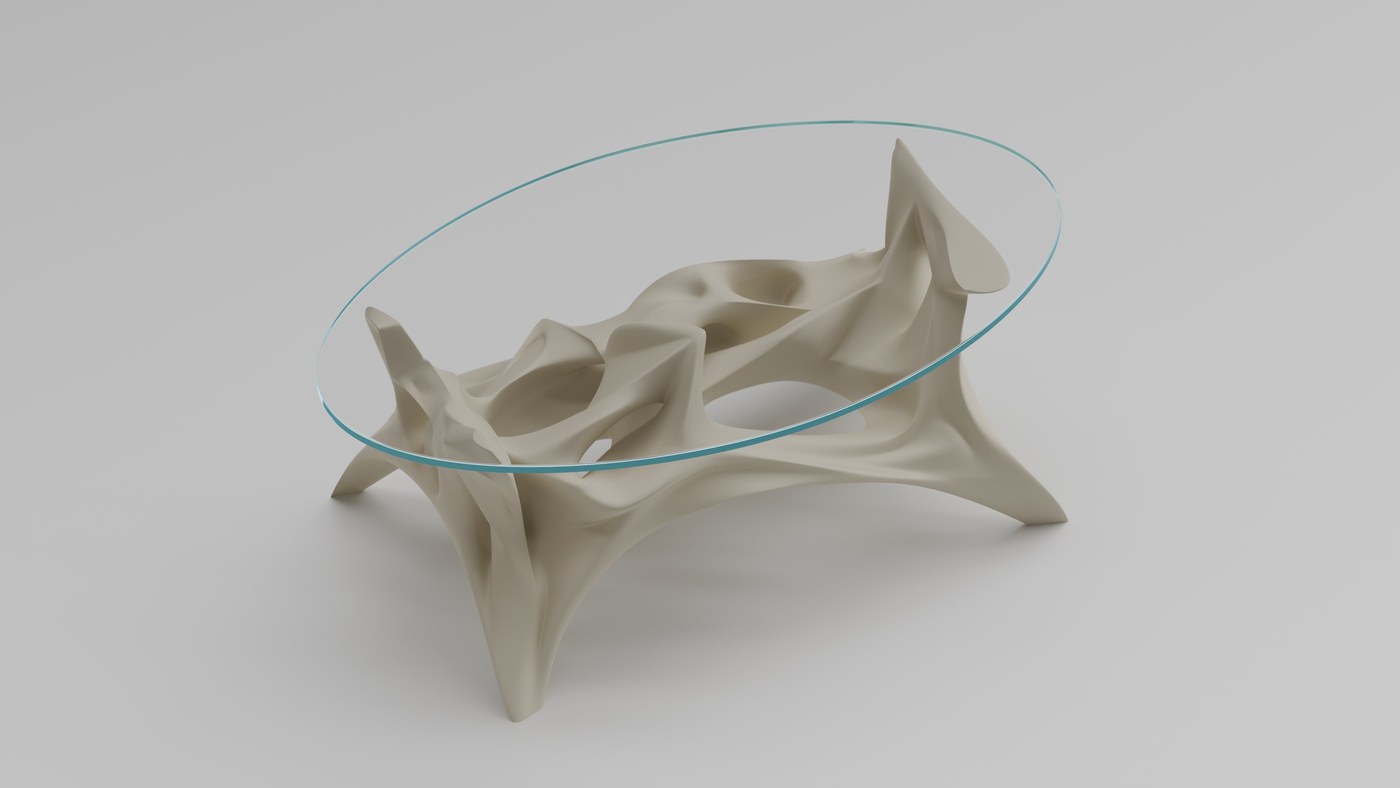
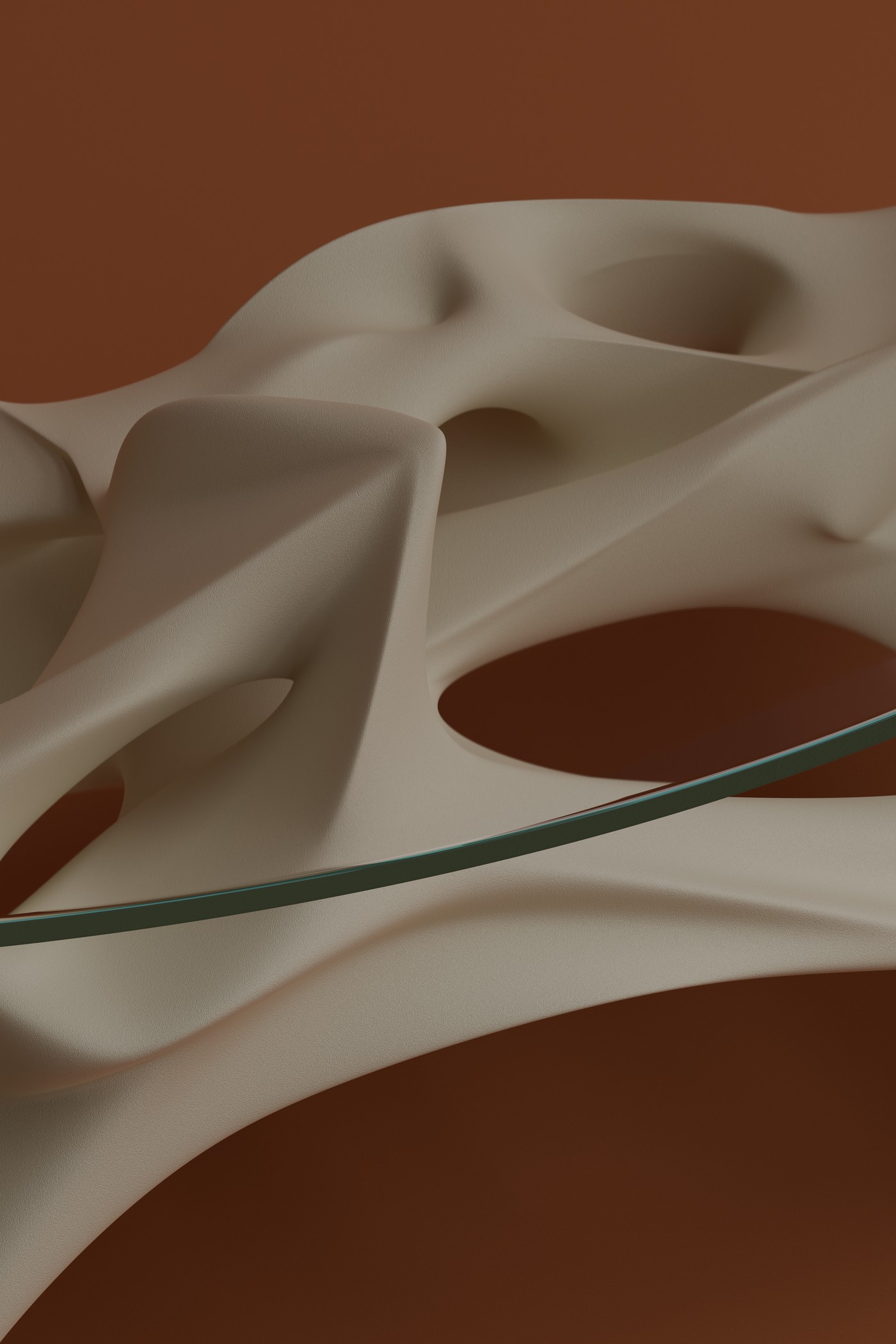
The top is glass because the alternative would hide the argument. A solid surface would reduce the piece to its silhouette and four points of contact with the floor; a transparent one keeps the whole structure legible from above, the way a canyon is only understood from the rim.
The light
The openings mean the piece is never only itself. Light passing through the base lays a second drawing on the floor that shifts through the day, so the table reads differently at noon than at dusk — dense and compact under overhead light, stretched and open when the sun is low.
Canyons are the same: the rock does not change, but what you can see of it does.
3D-printed in ABS and finished by hand, the piece retains traces of both processes. It is deliberately left unpolished in some places: sandstone isn’t smooth either, and refining the surface until that texture disappeared would remove the evidence of how the form was arrived at.